
Antibiotics do not fix every toothache and cannot repair a damaged tooth. If pain comes from injured or infected tissue inside a tooth, dental treatment may be needed to address the source. A root canal is one possible treatment, but an examination is needed before a dentist can recommend it.
Antibiotics may be appropriate when an infection is spreading or when a patient’s health circumstances call for them. They are not a replacement for finding out why the tooth hurts.
Why the cause of the pain matters
Tooth pain can come from several problems, including decay, a crack, inflammation inside the tooth or an infection. Similar symptoms can have different causes.
A dentist may ask when the pain started, whether it lingers after hot or cold food, whether biting hurts and whether there is swelling. Examination findings and X-rays, when needed, help build a clearer picture.
You cannot reliably decide between antibiotics, a filling or root canal treatment based on pain intensity alone. A very painful tooth does not always need a root canal, and a less painful tooth is not necessarily healthy.
If you need an emergency dentist in downtown Toronto, contact City Dental on Bay and describe your symptoms. Ask what level of care is appropriate and when you can be assessed.
What antibiotics can and cannot do
Antibiotics are medicines used against certain bacterial infections. They do not remove decay, repair a fracture or replace damaged tissue inside a tooth.
The Canadian Dental Association explains that many toothaches can be managed by treating the source without antibiotics. More extensive infection may require antibiotics as part of the care plan.
If a dentist does not prescribe an antibiotic, that does not mean the pain is being dismissed. Ask what is causing it, what treatment is recommended and what to do if symptoms change.
If antibiotics are prescribed, take them according to the prescriber’s instructions. Ask about side effects, interactions and follow-up. Do not take leftover medication or someone else’s prescription, and do not use an antibiotic course as a reason to cancel the dental visit.
When might root canal treatment be discussed?
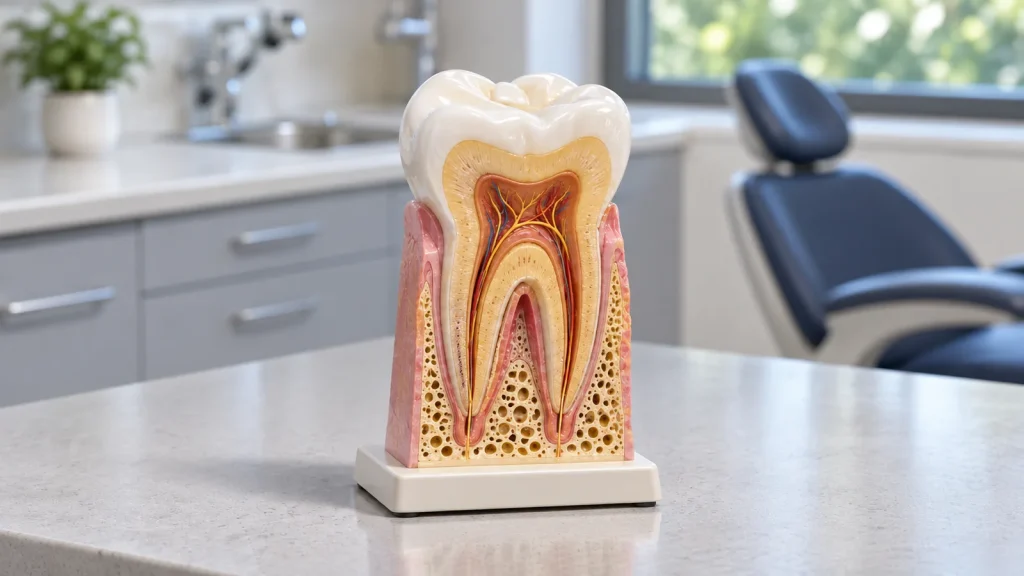
Root canal treatment addresses injured or infected pulp, the soft tissue inside a tooth. The dentist removes the affected tissue, cleans the canals and seals them. The tooth then needs an appropriate restoration.
That description does not mean every toothache requires the procedure. The dentist must assess whether the tooth can be restored and whether root canal treatment fits the diagnosis.
The Canadian Dental Association’s root canal guide explains the treatment and why a filling or crown may be needed afterward.
At your assessment, ask:
- What is the diagnosis, and what findings support it?
- Can the tooth be restored?
- What would root canal treatment achieve?
- Are there reasonable alternatives?
- Would a specialist referral be appropriate?
- What restoration would the tooth need afterward?
You should understand both the proposed procedure and the work needed to finish restoring the tooth.
When are antibiotics more likely to be needed?
Signs that infection is affecting more than the tooth, such as fever or feeling generally unwell, can change the treatment plan. Your medical history and immune function also matter.
The American Dental Association’s antibiotic guideline recommends prioritizing dental treatment for many common tooth-related pain and localized swelling problems in adults who are not severely immunocompromised. Systemic symptoms can warrant antibiotics.
That guideline is not a self-diagnosis tool. Tell the dentist about your health conditions, medications, allergies and symptoms so they can assess your situation.
Symptoms that need urgent attention
Contact a dental provider promptly for severe or worsening tooth pain, swelling, or symptoms that interfere with eating or sleeping. Mention fever and any difficulty opening your mouth.
Difficulty breathing or swallowing, or rapidly spreading swelling of the face or neck, requires emergency medical care. Do not wait for an online appointment request to be answered.
If you have already started treatment and symptoms are worsening, contact the treating dentist or seek urgent care. A scheduled follow-up does not mean you should ignore a new problem.
What to say when booking a toothache appointment
You can keep the call simple: “I have pain in this area, it started on this day, and these are the symptoms I am noticing.”
Have these details ready:
- Whether the pain is constant or triggered by eating, temperature or biting.
- Whether there is swelling, fever, drainage or a bad taste.
- Any recent injury or dental treatment.
- The medications you have taken and whether they helped.
- Any medical condition or allergy the team should know about.
If you have been prescribed antibiotics elsewhere, give the name and start date. That information helps the dentist plan care; it does not establish the diagnosis by itself.
Questions patients ask
The pain improved after antibiotics. Do I still need the appointment?
Yes, keep the assessment unless the treating clinician advises otherwise. Improvement does not establish that the underlying dental problem has been resolved.
Can I ask for antibiotics while waiting for treatment?
Tell the dentist your symptoms and ask what is appropriate. The decision depends on the diagnosis, your health and access to definitive care. Antibiotics are not automatically necessary because an appointment is pending.
Does a root canal always mean getting a crown?
The final restoration depends on the tooth and how much healthy structure remains. Ask for the entire treatment plan, including the restoration, before assuming the root canal is the last step.
How many appointments will I need?
The number varies with the tooth, diagnosis and treatment plan. Ask how the urgent assessment, any initial treatment and the final restoration will be scheduled.
Get a toothache assessed on Bay Street
Contact City Dental on Bay at 1006 Bay Street to discuss your symptoms and request an appointment. For urgent pain or swelling, call the office rather than relying only on an online form.
An assessment can help you understand what is causing the pain and whether the next step is a repair, root canal treatment, medication or another approach.