
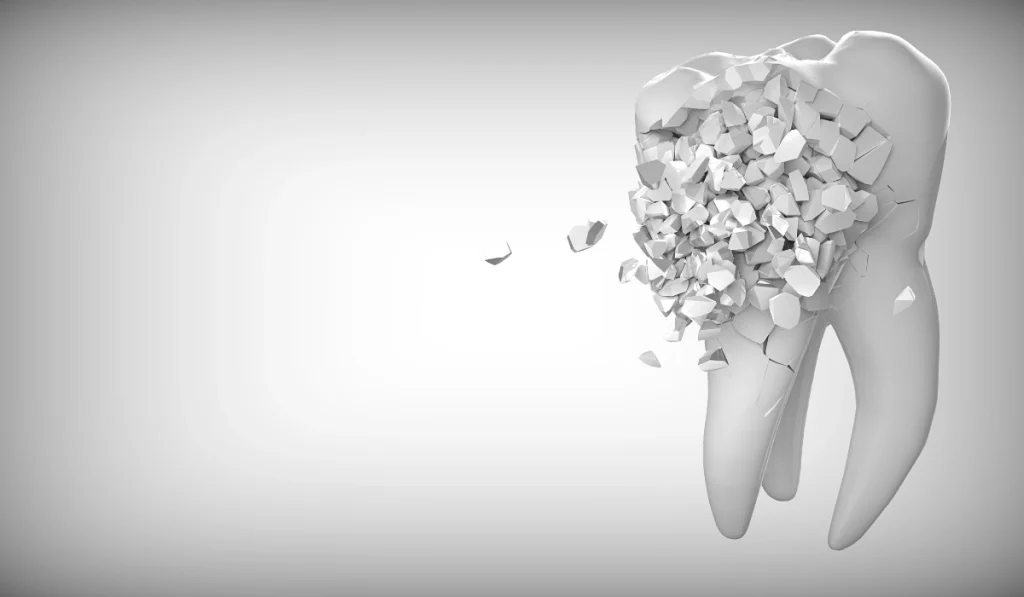
Dental emergencies require immediate attention to achieve the best possible outcomes. Many patients don’t realize that timing can mean the difference between saving and losing a tooth. An emergency dentist understands these critical time windows and acts quickly to preserve natural teeth. Knowing when to seek urgent dental care can dramatically impact long-term oral health and treatment success.
Critical Time Windows for Tooth Preservation
When a tooth is knocked out completely, time becomes the most critical factor. An emergency dentist has the best chance of successful reattachment within the first 60 minutes. After this golden hour, the success rate drops significantly with each passing minute.
Key time windows for dental emergencies include:
- Knocked-out teeth: 30 to 60 minutes for best reattachment success
- Partially dislodged teeth: Within 6 hours for optimal repositioning
- Cracked or fractured teeth: Within 12 hours to prevent infection
- Severe infections: Within 24 hours to prevent spread
- Dental trauma with bleeding: Immediate attention required
The cells on the tooth root begin to die when exposed to air. An emergency dentist can often save these cells if the tooth is kept moist and treatment begins quickly. Storing the tooth in milk, saliva, or a tooth preservation solution helps maintain cell viability.
Partially dislodged teeth also require urgent care from an emergency dentist. These teeth can often be repositioned and stabilized if treated within several hours. Waiting too long allows the supporting structures to heal in the wrong position.
How Delayed Treatment Affects Long-Term Outcomes
Postponing emergency dental care can lead to complications that are difficult or impossible to reverse. An emergency dentist sees the consequences of delayed treatment regularly in practice.
Consequences of delayed emergency treatment include:
- Increased risk of tooth loss and extraction
- Higher likelihood of infection spreading to surrounding tissues
- More extensive and expensive treatment requirements
- Greater chance of permanent nerve damage
- Reduced success rates for tooth preservation procedures
- Potential for systemic health complications
Dental infections can spread rapidly when left untreated. An emergency dentist knows that what starts as a simple toothache can become a life-threatening condition. Infections can spread to the jaw, neck, and even the bloodstream within days.
Cracked teeth that don’t receive prompt attention from an emergency dentist often develop deeper fractures. Bacteria enter through the crack and infect the inner tooth structure. What could have been a simple repair becomes a root canal or extraction.
Soft tissue injuries in the mouth can lead to excessive scarring without proper treatment. An emergency dentist can suture wounds properly to minimize scarring and promote optimal healing. Delayed treatment often results in poor cosmetic outcomes.
Emergency Procedures That Prevent Major Problems
An emergency dentist performs various procedures designed to stop small issues from escalating. These interventions save patients time, money, and discomfort in the long run.
Common emergency procedures include:
- Tooth reimplantation and stabilization for knocked-out teeth
- Emergency root canal therapy to save infected teeth
- Temporary crowns or fillings to protect damaged teeth
- Abscess drainage to relieve pain and prevent spread
- Suturing for soft tissue injuries and lacerations
- Emergency extractions when teeth cannot be saved
Reimplantation involves carefully placing a knocked-out tooth back into its socket. The emergency dentist cleans the tooth and socket, then secures the tooth with splinting materials. This procedure has high success rates when performed within the critical time window.
Emergency root canal therapy removes infected tissue from inside the tooth. An emergency dentist performs this procedure to eliminate infection and preserve the natural tooth structure. Without this intervention, the infection continues to spread and the tooth is lost.
Temporary restorations protect damaged teeth until permanent treatment can be completed. An emergency dentist places these temporary solutions to prevent further damage and reduce pain. They also prevent bacteria from entering exposed tooth structures.
Abscess drainage provides immediate relief from severe pain and pressure. An emergency dentist makes a small incision to release the accumulated pus. This procedure prevents the infection from spreading to other areas.
Recognizing True Dental Emergencies
Understanding which situations require an emergency dentist helps patients seek appropriate care quickly. Not all dental issues constitute true emergencies, but certain symptoms demand immediate attention.
Signs that require an emergency dentist include:
- Knocked-out or partially dislodged teeth
- Severe, uncontrollable tooth pain
- Significant facial swelling affecting breathing or swallowing
- Uncontrolled bleeding from the mouth
- Jaw injuries or suspected fractures
- Abscesses or visible pus around teeth or gums
- Trauma causing loose or broken teeth
Patients should contact an emergency dentist immediately when experiencing these symptoms. Quick action significantly improves treatment outcomes and prevents complications.
What to Do Before Reaching Your Emergency Dentist
Taking proper first aid steps before reaching an emergency dentist can improve outcomes. These actions help preserve teeth and tissues until professional treatment is available.
First aid steps for dental emergencies:
- For knocked-out teeth: Rinse gently, keep moist in milk or saliva
- For bleeding: Apply gentle pressure with clean gauze
- For pain: Use cold compress on outside of face
- For broken teeth: Save all pieces and rinse mouth with warm water
- For objects stuck between teeth: Try gentle flossing, never use sharp objects
Expert Emergency Care at City Dental on Bay
When dental emergencies strike in Toronto, City Dental on Bay provides expert emergency dentist services. Located at 1006 Bay Street in downtown Toronto, the practice offers prompt emergency care when timing matters most. The experienced emergency dentist team at City Dental on Bay understands the critical time windows for tooth preservation. They provide immediate treatment to save teeth and prevent complications. For urgent dental care, call City Dental on Bay at 647-957-2500 or email bay@city-dental-toronto.local. Don’t wait when facing a dental emergency. Quick action by an emergency dentist can make all the difference in saving your natural teeth.